
OEM or Systems Integrator for Factory Automation
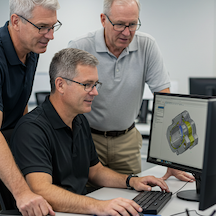
Choosing the Right Automation Partner: OEM or Systems Integrator? Finding the Best Fit for Your Factory Automation Project Automation is central to efficient, competitive manufacturing. Whether you’re focused on quality control, cost reduction, or employee safety, automating critical processes can deliver measurable returns. When it’s time to automate, manufacturers generally have two choices: Manage the project internally, or Partner with an OEM (Original Equipment Manufacturer) or a Systems Integrator (SI). Knowing the difference helps ensure your automation investment performs as intended — on time and within budget. When to Work with an OEM An OEM specializes in a single product or process, such as dispensing, welding, or inspection. They’re experts in their specific equipment and can help integrate that tool into your production environment. However, working with an OEM often means you’ll need in-house engineering and installation support. Your team may have to handle the facility layout, utilities, and the interface between new and existing systems. OEMs excel at their product — but typically stop short of managing how multiple technologies work together. Best for: Adding a specialized machine or function to an existing process. When to Work with a Systems Integrator A Systems Integrator provides a full-scope approach — designing and building custom automated systems that unite multiple technologies into one seamless process. Systems integrators can manage every phase of automation, including: Assembly and material handling Part feeding and packaging Welding, soldering, or painting Dispensing, testing, and vision inspection This end-to-end capability lets manufacturers work with one experienced partner who handles everything: concept, mechanical and controls design, fabrication, programming, installation, and startup. That continuity reduces project risk, minimizes communication gaps, and ensures faster ramp-up to production. For example, at ProMATIC, multidisciplinary teams — mechanical, electrical, and controls engineers working alongside skilled fabricators and assemblers — remain involved through every stage of the project. That same team continues to provide after-the-sale support, including training, troubleshooting, spare parts, and system enhancements to keep your automation running at peak performance. Best for: Complex or multi-process systems that require coordination between multiple technologies or integration with existing equipment. Defining the Process Before You Begin Before contacting an automation provider, clearly define the process, performance goals, and success metrics. A well-defined scope allows for accurate proposals, fewer change orders, and a smoother implementation. Even if you plan to handle part of the project internally, consulting with a systems integrator can reveal new technologies, cost efficiencies, and safer alternatives that you may not have considered. The Value of a Local, Experienced Partner Partnering with a local or regional automation expert offers several advantages: Faster on-site service and support Reduced installation and travel costs Long-term accessibility for upgrades, preventive maintenance, and future expansion Strong relationships with trusted automation partners pay dividends beyond the first build — they help ensure uptime, reliability, and scalability as your production evolves. The Takeaway Choosing between an OEM and a Systems Integrator comes down to project scope and desired outcomes. For single-process solutions, an OEM may be ideal. For comprehensive automation that brings multiple systems together — and ongoing service after installation — a Systems Integrator offers greater value. With the right partner, you gain not only equipment but also the expertise, integration, and long-term support that keep your factory moving efficiently for years to come. Capabilities Complex Mechanisms Data Tracking Dispensing Systems Dry Ice Blasting Heat Staking Hydraulic Systems Laser Marking Packaging Palletizing PC Control PLC Control Pneumatic Systems Press Systems Testing Tooling Torque Control Ultasonic Welding Vision Systems
Machine Safety in Automation

Designing Safety into Automation: Why It Pays to Start Early Automation Machine Safety Should Never Be an Afterthought In today’s fast-moving world of factory automation, machine safety isn’t just a requirement — it’s a responsibility. As automation systems become more complex and interconnected, early attention to safety design can prevent costly redesigns, delays, and potential injuries down the road. At ProMATIC Automation, safety is built into every project from the start — not added as an afterthought. Choosing a partner experienced in integrating safety into the design phase ensures your equipment meets regulatory standards, runs efficiently, and protects both operators and productivity. Start Safety Early: The Layout Phase Safety planning should begin as soon as you start defining your process. During the layout phase, engineers should consider how components will interact, how operators will access the machine, and what safeguards are needed to prevent risk. Performing a formal risk assessment once the mechanical and electrical designs are complete helps verify that every safety circuit, guard, and sensor functions as intended. Tools such as SISTEMA (Safety Integrity Software Tool for the Evaluation of Machine Applications) are commonly used to evaluate safety circuits and confirm the correct Performance Level (PL). Working with mainstream suppliers like Allen-Bradley or Siemens ensures data compatibility, validated safety components, and faster certification. Why Designed-In Safety Matters Safer Equipment Identifying potential hazards during design reduces the chance of accidents and ensures compliance with evolving safety standards. Faster Project Completion When safety goals are clear from the start, engineers design to defined targets — saving time, avoiding redesigns, and minimizing change orders. Lower Total Cost Adding safety after a machine is built often requires structural changes, rewiring, and documentation updates. These “after-the-fact” fixes can cost thousands in extra labor and lost time. Professional Appearance A system designed with integrated safety looks clean, intentional, and easy to maintain — unlike a machine with guards and sensors tacked on later. Reduced Liability A properly documented safety process protects both operators and manufacturers. Even smaller companies benefit from maintaining formal safety reviews as proof of due diligence. Beyond Installation: Validation and Support Safety doesn’t end at startup. Many facilities now require post-installation safety validation for insurance or compliance purposes. Working with an automation partner that provides ongoing support, documentation, and validation assistance can save time and reduce long-term risk. ProMATIC’s team stays involved after delivery — helping with training, maintenance, and updates to keep your systems safe and compliant for years to come. The Takeaway Machine safety is not a one-time checklist — it’s an ongoing process. By designing safety in from the beginning, manufacturers avoid costly redesigns, protect their workforce, and ensure long-term reliability. Because safe machines don’t happen by accident. Capabilities Complex Mechanisms Data Tracking Dispensing Systems Dry Ice Blasting Heat Staking Hydraulic Systems Laser Marking Packaging Palletizing PC Control PLC Control Pneumatic Systems Press Systems Testing Tooling Torque Control Ultasonic Welding Vision Systems